Bunny Welcome: A Playful Handwritten Font for Crafters
As a maker who designs printable wall art, hand-poured candle labels, and wedding welcome boards, I’ve learned that the right font isn’t just about aesthetics—it’s about connection. Bunny Welcome is one of those rare handwritten fonts that feels both joyful and intentional. It’s not overly fussy, not too delicate, and never hard to read—even at small sizes. That balance is why it’s become my go-to script font for physical product creation.
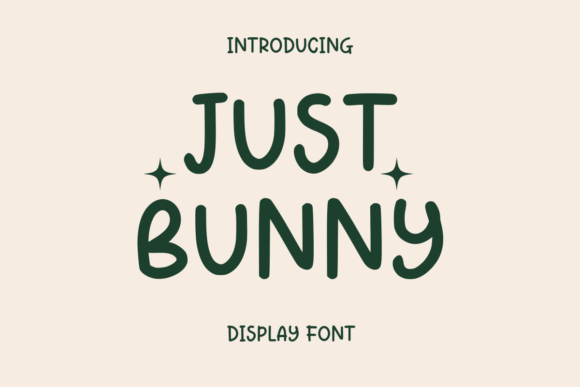
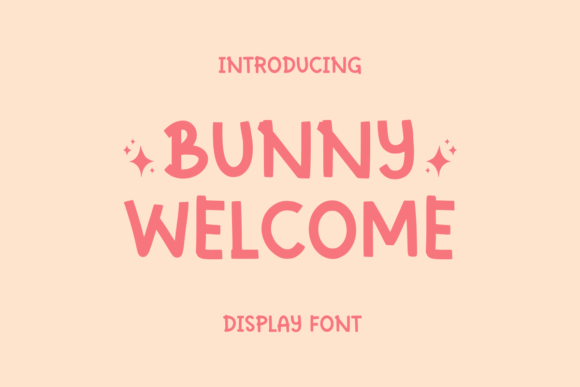
Bunny Welcome lives in the Script Amp category, which means it’s built for impact: expressive, fluid, and full of personality. Its playful energy comes from natural stroke variation, subtle bounce, and rounded letterforms—think soft pencil lines rather than sharp ink nibs. The lowercase “g,” “y,” and “f” have gentle descenders that add rhythm without sacrificing clarity. Uppercase letters carry warmth, not stiffness, making them ideal for titles, signs, and boutique tags where you want charm *and* legibility.
I use Bunny Welcome most often for short, high-visibility phrases—welcome signs, product names, greeting card headers, and sticker slogans. It shines on farmhouse-style wooden signs, kraft paper gift tags, and pastel-toned baby shower invitations. Because its spacing is generous and its contrast moderate, it cuts cleanly on Cricut and Silhouette machines—even at 0.25" height for tiny jar labels or mini stickers. For printed cards or digital mockups, I’ve found it renders crisply across devices, with no pixelation or jagged edges.
Here’s where Bunny Welcome truly earns its place in my design toolkit:
- Candle & soap labels: Paired with a clean sans serif (like Montserrat or Poppins) for ingredients and weight info, Bunny Welcome adds handmade appeal without undermining professionalism.
- Wedding stationery: On welcome boards, menu cards, or envelope addressing, it conveys warmth and approachability—especially for rustic, garden, or cottagecore themes.
- Digital printables: Planner stickers, quote pages, and habit trackers gain personality when Bunny Welcome anchors a title or section header, while body text stays readable in a simple serif or sans.
- Seasonal packaging: Easter egg labels, holiday mug wraps, and spring-themed tote bag designs all benefit from its lighthearted tone—without looking childish or dated.
- Social media graphics: Instagram story banners, Etsy listing headers, and Pinterest pins get an instant uplift when Bunny Welcome introduces a new collection or seasonal launch.
Readability matters—not just for customers, but for production. I’ve tested Bunny Welcome down to 8pt on printed product tags and found it remains legible for names and short descriptors (e.g., “Lavender Dream” or “Hand-Poured Soy”). For longer blocks—like care instructions or ingredient lists—I always pair it with a neutral companion font. My favorite combinations are Bunny Welcome + Lato (for modern, clean contrast) or Bunny Welcome + Cormorant Garamond (for elevated, timeless pairings). These pairings support brand consistency: the script font becomes your voice, while the secondary font handles function.
Bunny Welcome includes standard OpenType features like ligatures and stylistic alternates—subtle touches that elevate your work without extra effort. I often toggle the “&” alternate or swap in a swash capital “W” for welcome boards or logo lockups. It’s also available in OTF and TTF formats, so it works seamlessly in Canva, Adobe Illustrator, Cricut Design Space, and Silhouette Studio. While it doesn’t include extended multilingual glyphs, it covers full Latin-1 (including accented characters used in French, Spanish, and German), making it reliable for small-batch international sellers or bilingual wedding suites.
One thing I always check before launching any product: licensing. Bunny Welcome is a commercial font, meaning you’re fully covered to use it in physical goods (mugs, shirts, stickers), digital downloads (PDF planners, SVG cut files), client projects, and even resale templates—as long as you’re not redistributing the font file itself. That peace of mind lets me focus on creating, not compliance.
It’s worth noting that Bunny Welcome isn’t meant for long paragraphs or dense body copy. It’s a display font—designed to invite, delight, and highlight. When I need emotional resonance in under ten words (“You’re Loved,” “Open Daily,” “Made With Joy”), Bunny Welcome delivers every time. And because it avoids extreme thin strokes or excessive flourishes, it holds up beautifully in foil stamping, heat transfer vinyl, and screen-printed apparel.
For crafters who sell on Etsy, run local markets, or build a cohesive printable shop, font choice directly affects perceived quality. Customers notice when typography feels considered—not generic. Bunny Welcome helps your products stand out in crowded feeds and physical stalls because it carries intentionality: each curve feels handmade, each space feels thoughtfully placed. It doesn’t shout—but it does make people pause, smile, and remember your brand.
If you’re building a consistent visual language across labels, social posts, and packaging, Bunny Welcome serves as a flexible anchor. It works with earthy palettes and bright color schemes alike. It complements watercolor textures, linen backgrounds, and minimalist layouts. Most importantly, it supports your message—not overshadows it. Whether you're naming a new candle scent, welcoming guests to your booth, or designing a heartfelt birthday card, Bunny Welcome gives your words warmth, clarity, and quiet confidence.